
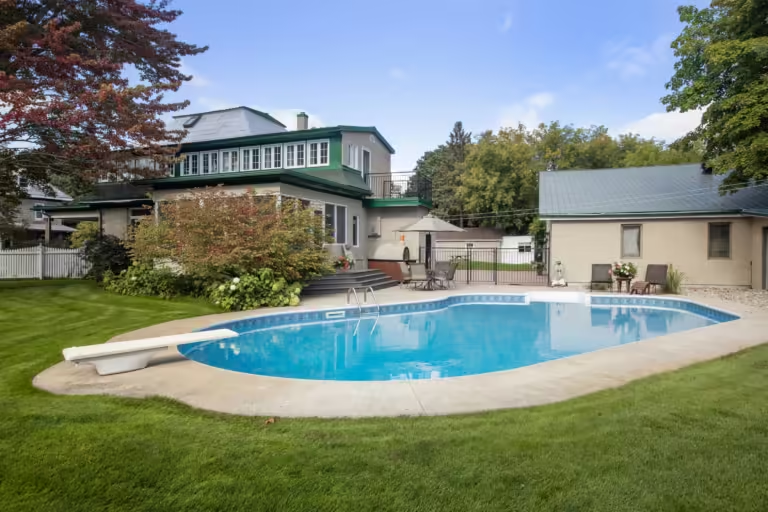
What a luxury it is to have a pool?! My ideal summer weekends include lazing near the pool with a nice pair of sunnies, some icy beverages, and my favorite tunes. For me, summers would not be the same without the pool in my backyard.
And here comes the shocker, I have had to fill in the pool!!! It was primarily the maintenance issues that were taking up a lot of time and money. So, space utilization came to mind, I got the pool filled in and my summers are still fun!
Let’s talk about the hows and whys related to filling a pool in your backyard.
Why Fill in Your Pool?
The first question you might be asking yourself is why should you fill in the pool?! You have every reason not to fill it. Your family enjoys the pool, it adds an appeal to your home, and you simply like to swim. But ask yourself a couple of other questions, “how often do you use it”, “Do you have enough money for that upcoming maintenance”, “Would a garden be better-suited for my family”, or “What if you want to sell your house”?
Here is why most people choose to fill in the pools in their backyards:
- Maintenance Costs: Having a pool is not all fun and games. Pools require regular upkeep that costs both time and money. And unless you are Warren Buffet, having a pool is damn expensive.
- Safety: Believe it or not, pools pose a safety hazard too, especially for families that have toddlers or elderly people who may require supervision when outside. I have seen a lot of people use automatic covers (again expensive) or a mesh sheet to cover the pool, but filling it in is a more permanent solution.
- Space Utilization: Pools take up space and a lot of it! Efficient spatial planning by filling in the pool could result in a bigger garden, outdoor living space, or a playing area.
- Property Value: In some markets, pools do NOT increase the property value. It is because of the liability concerns. In such a scenario, filling in the pool and replacing it with a proper and prim garden with a deck may offer more value for your property.
These are just some of the “whys” to consider when thinking about filling in the pool in your backyard.
Planning and Preparation

If the “whys” have convinced you to fill in the pool, you might be wondering about the “hows” and I have got you covered. It is essential to plan and prepare for the upcoming task.
- Check Local Regulations: Contact your local building department to find out if you need a permit or other authorization to fill in the pool.
- Hire a Professional: Although it is possible to DIY, hiring a professional contractor might be a safer bet. They have the necessary equipment and tools to get the job done while you carry on with your life.
- Assess the Pool: Determine the type of pool you have (in-floor or above-ground, concrete, vinyl, or fiberglass) as this may affect the filling method.
Materials and Tools Needed
The materials and equipment required will rely upon the scale and kind of your pool, however generally, you may want:
- Gravel
- Fill dust or sand
- Topsoil
- Heavy machinery (backhoe, compactor etc).
- Compactor
- Shovels
- Rakes
Can You DIY Filling in a Pool in your Backyard?
The simple answer is yes! The process for DIY or hiring a contractor to fill in the pool is basically the same. The differences may lie in the workmanship, timeline, and if you can arrange and use heavy machinery.
Steps to Filling in the Pool
Here is what you follow when filling in the pool in your backyard:
1) Drain the Pool
You start by draining the pool using a submersible pump. This may take a while so maybe make yourself a sandwich.
2) Remove Pool Equipment and Accessories
Remove all the associated accessories including ladders, diving boards, and the filtration systems. This is to eliminate obstruction during the process.
3) Punch Holes inside the Pool Floor
For in-ground pools, it is essential to punch holes in the floor to ensure drainage and prevent future accumulation of water. This can be achieved using a jackhammer or a similar tool.
4) Collapse the Pool Walls (Optional)
In some cases, you may want to collapse the pool walls to make the filling process easier and more stable. This step is useful for vinyl and fibreglass pools. For concrete pools, I would recommend using professionals.
5) Add a Gravel Layer
Add a layer of gravel at the bottom of the pool. This will assist in the draining and offer a stable foundation for the fill. The depth for the gravel should be between 6 – 12 inches.
6) Fill with Dirt
Fill the pool with dirt or sand. Use clean material to avoid contamination. I would also advise using layers compacting each layer to ensure stability. A compactor can come in handy at this stage (you might need to rent it out). Continue this process until the pool is about 90% filled.
7) Add Topsoil
Once the pool is almost filled with dirt, add a layer of topsoil.
8) Landscape the Area
Now that the hard work is over, you can landscape the area as you wish.
What Happens After Filling the Pool?
After filling in the pool, there are some additional considerations:
- Settle Time: You should allow the filled area a couple of months to settle before embarking on any new projects. This is to avoid sinking.
- Regular Inspection: Check the filled-in area for signs of erosion.
- Future Use: Think about what you want to do with the reclaimed space. It could be a garden or an outdoor living space and make arrangements accordingly.
Cost Considerations

Filling in a pool could be an expensive process but it pays off in the long run. Additional costs will include:
- Professional Fees: DIYing can save you “some” money. But if you are hiring a professional to fill in the pool, be ready to shell out anywhere between $3,000 to $15,000 or even more.
- Materials: The cost of gravel, dirt fill, and topsoil could add up, especially for larger pools.
- Permits and Inspections: Depending on your local regulations, you may spend a couple hundred dollars on permits and inspections.
- Equipment Rental: If you are DIYing the process, renting the equipment such as the compactor or the backhoe will add to the costs.
Environmental Considerations
You might also want to be slightly environmentally conscious while filling in the pool in your backyard and trust me it is not that hard.
- Water Conservation: Eliminating a pool conserves water. It is that simple.
- Chemical Reduction: Pools require chemicals for upkeep that may be harmful to the environment. Filling in the pool means no chemical impact on your micro-environment.
No More Pool
And that’s all done. No more pool!
You can now laze around in your new green garden with fresh flowers or have a dinner party in the outdoor seating area.