
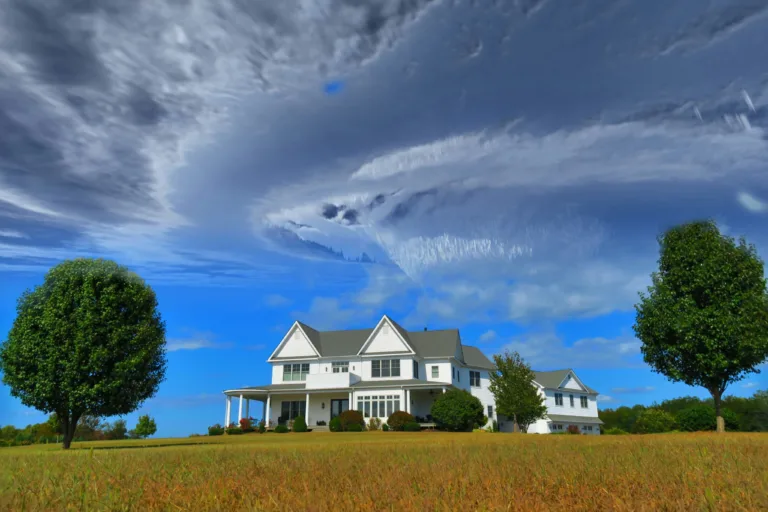
The unique charm of country homes is what initially attracts buyers. They appear peaceful, which is the opposite of many people’s homeownership experiences. Who wouldn’t want to relax along the countryside? Homeowners love the proximity to nature and the extra space in these properties. Similarly, these houses offer privacy and safety that you cannot get in the city. Country homes are typically in quiet areas, giving them a higher property value.
On average, the per-acre cost of country homes is $15,756. Even though it’s expensive, the overall cost of living will eventually be lower. It won’t cost as much here as it would living in a major city like San Diego, CA.
However, first-time buyers can make mistakes when choosing country homes. For example, you might forget to budget for the additional expenses that come along with owning a country home. Additionally, you may forget to inspect the house correctly. Similar to larger industrial buildings, like a warehouse, country homes require more thorough inspections to identify potential flaws. Don’t skimp out on the fine details of the home-buying process!
Here, we’ll discuss three things you must consider before buying these houses in the countryside.
1. Budgeting Before Deciding to Buy
The real estate market is definitely not predictable. That’s why budgeting should be your priority when buying a country home. Take a look at a few financing tips that you should follow:
- Use the 28% rule. It’s a way to determine whether the house’s mortgage is under 28% of your monthly income.
- Get pre-approved loans. These will help you pay the future mortgage, insurance, repairs, maintenance fees, etc.
- Pay at least 20% as a downpayment. Paying that much can help you secure your dream country home without depleting your savings.
- Consider a 2% to 5% closing cost. Keeping money aside for this will help you pay fees for taxes, real estate commissions, etc.
You shouldn’t buy a large-acre property if you don’t have the finances for it. These budgeting considerations will help you choose a property you can handle.
Where can you find affordable country homes? First-time country homeowners should initially go through a property seller’s website. Let’s understand this with the example of the Land Broker MLS’s online listings.
This website lists country homes ranging from 348 acres to 60,000 acres. The moment you visit www.landbrokermls.com/features/home, you can see a wide range of houses in different parts of America.
You’ll benefit from the extensive information about various acreages, sizes, locations, prices, and addresses. After selecting a few properties, you should contact the real estate agent to schedule some home visits.
2. Location of the Property
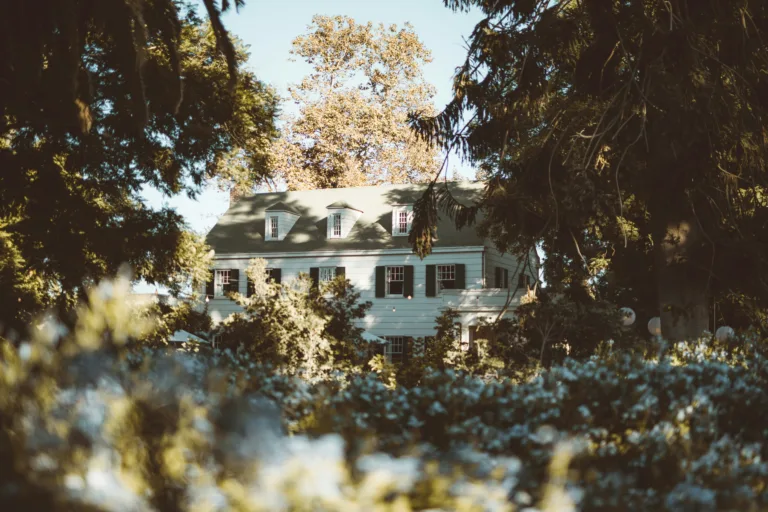
In the real estate market, a property’s location translates to its profitability. It also feeds the buyer’s desire to invest in or purchase the home.
Therefore, a country home’s location will significantly affect the type of privacy, backyard resort, and tax breaks you receive. People consider places like Detroit, Toledo, Memphis, and Milwaukee the best for buying houses with acreage.
However, the rugged beauty of Texas remains unmatched. The country homes in this state come with rustic charm, serene landscapes, and modern comfort. LandHub reports that country-themed properties in Austin, Dallas, and Houston are in high demand. These cities have seen significant economic growth over the last few years. Here, you’ll usually find ranches over a thousand acres for sale.
Irrespective of whether you choose to buy Texas land for sale or properties in other states, you must check the following:
- The centrality of the home from busy streets and the city.
- The rate of development in the area to determine future urbanization.
- The geographical neighborhood to analyze the surrounding natural beauty and amenities.
I spoke with Bob Jamison and Tuscana Properties about purchasing a country home and here is what he had to say:
“When buying a rural or country property, buyers should consider several unique factors. Firstly, check zoning laws and land use restrictions, as these determine possible property activities. Accessibility is crucial; ensure good road access and check for natural obstacles like rivers or mountains. Evaluate utility services like water, electricity, and internet, as rural areas may have limited infrastructure. Consider the quality and availability of well water and septic systems. Lastly, be aware of potential issues like wildlife, agricultural operations nearby, and natural disaster risks. Doing thorough due diligence is key to avoiding surprises after purchase.”
3. Condition and Amenities of the Country House
You’re ideally buying a house in a rural community that isn’t ‘newly’ built. That means you won’t have a wide range of different floor plans to choose from.
Therefore, you’ll have to select the property based on its condition and amenities. First-time buyers should visit the house and inspect it properly. Doing so will help you determine the additional costs required for maintenance and renovation.
Remember to consider the following things before buying the home:
- The home’s structure and construction quality. Understanding this will help you determine the amount you’ll have to spend on making the property livable.
- Checking the water and power supply of the house. Don’t go for a country home with faulty electrical wiring and inadequate plumbing.
- You can talk to potential neighbors to understand the amenities offered in the area. They’ll help you find the local farms and understand developmental plans.
- Do you need to sell your current home before buying this one? Cut ties from any past properties you need to so you can free up capital for this big purchase. Homeowners who get stuck holding too many mortgages might not get approved for a larger purchase of a countryside property. Getting your name off a mortgage is possible even if you don’t sell the property.
Now, back to the maintenance aspect of these properties!
Since country homes are usually old, you must also check for hazardous materials. These include asbestos from the fireplace, roofing, or insulation system.
In summary, buying country homes can be a long-drawn-out process. Therefore, first-time buyers must budget based on their finances before looking at properties. Once done, you can check the property’s location, condition, and amenities.
Homeowners suggest that you check out six to twelve houses before buying. Try to visit different locations and properties in the countryside. These will help you analyze the pros and cons of each home before spending all your money.
We buy houses of all different sizes throughout San Diego, California. If you want one final piece of advice from professional house buyers like us, don’t be scared off by a property’s size. The bigger the better. There’s usually more profit to be made on a real estate purchase if the land is larger. Shoot for the moon when buying countryside homes.